In today’s media landscape, navigating fact from fiction can be a daunting task.
With social media outlets like TikTok, Instagram, and Facebook as the place where many people get their news, many people have begun to emphasize media literacy as a key skill for young people to learn.
The News Literacy Project (NLP), nonpartisan education nonprofit, is dedicated to educating students on how to sift through credible news sources and find trustworthy information.
Every year, the organization, which was started by an award-winning investigative journalist named Alan C. Miller in 2028, give resources to K-12 students in order to prepare them “ to think critically and independently.”
In particular, the News Literacy Project has a program called the District Fellowship, which gives interested districts the funding and expert guidance. Through the grant, the Fellowship provides the district with $30,000 over three years.
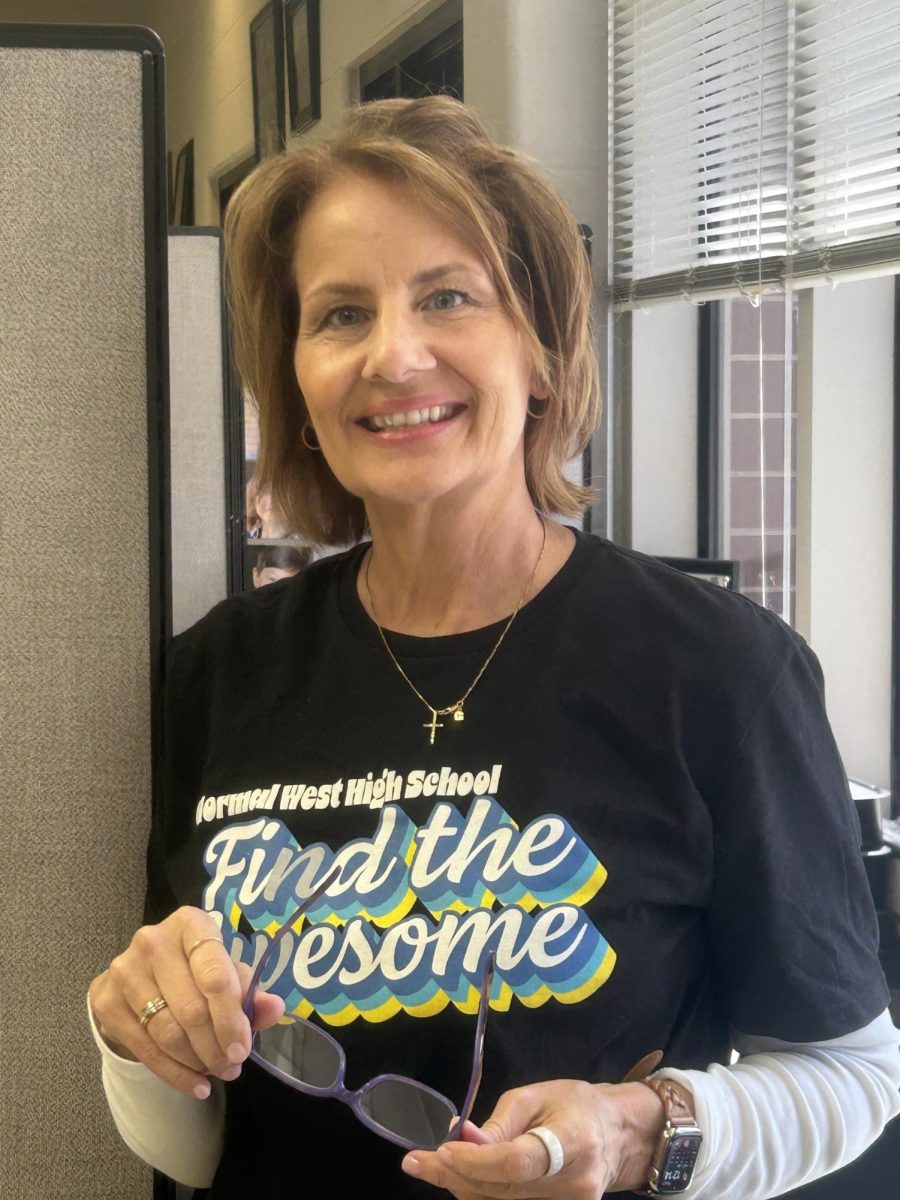
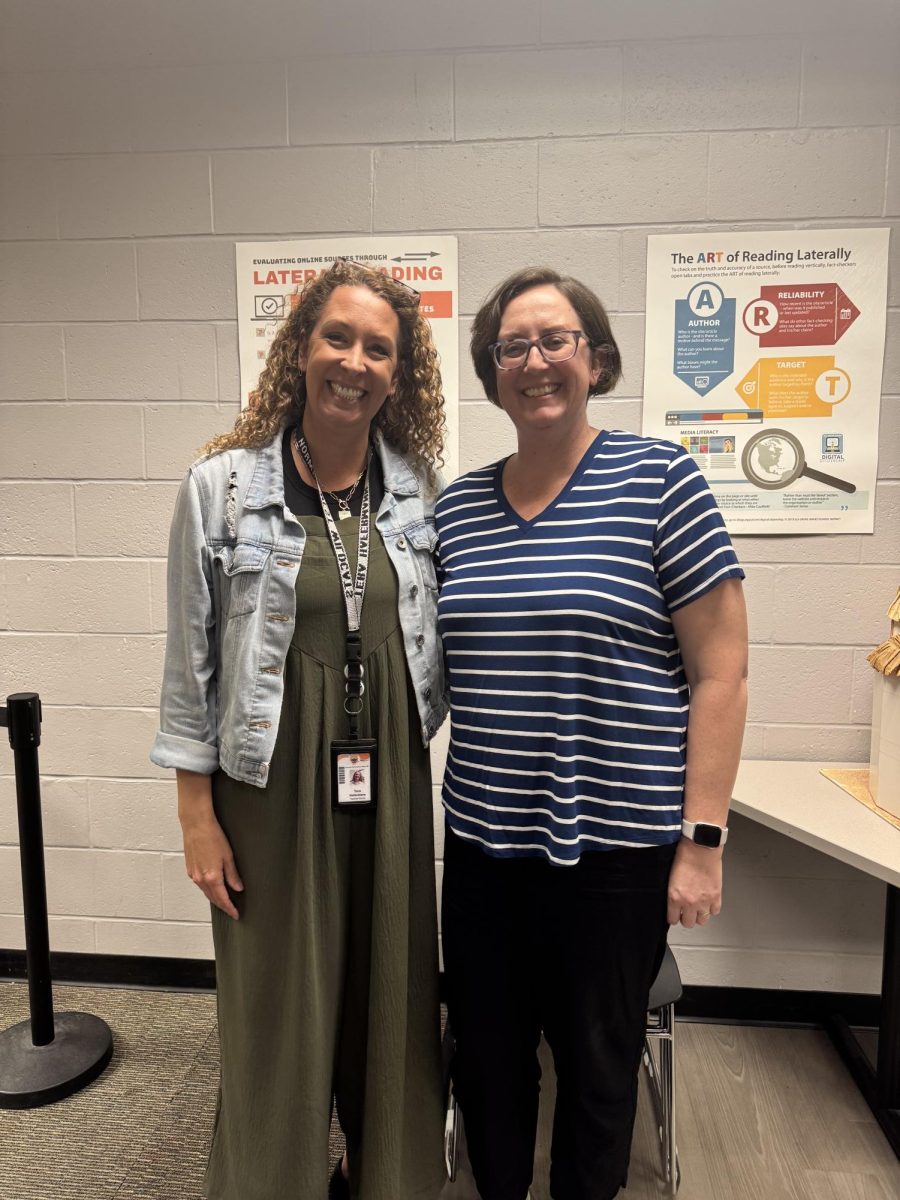
This past school year, Normal West English teacher, Amy Reiman and IMC specialist, Tera Hafermann secured this grant with district-wide updates to come in the 26-27 school year.
It’s not only English classes that will benefit from the grant, though.
The plan is to continue teaching kids the importance of medial literacy beyond the English classroom and into their health and social studies classes, as well.
Using the lessons and skills that students already have, the goal is to build up from there.
“So it’s just a really exciting opportunity to embed it in what we’re already doing and make it more meaningful rather than having these one off lessons,” Hafermann shared.
Teaming up with staff at Normal Community, there is a 3 year plan for the district to utilize these new opportunities and expand them across the whole district.
NLP is setting up Unit 5 to be able to instill these skills in students by backing them with resources and trainings.
“We get to use [NLP’s] resources, their professional development opportunities and hone how we teach those skills,” Reinman added.
The long term goal is for the preparedness of students to set them up for success after they leave any Unit 5 institution.
“The big picture goal is that we want students to graduate, knowing how to find good information and use that to make the decisions to lead the lives they want to lead,” Reiman stated.
Any implementation from this grant won’t be taking place until the 2026 school year, so it is hard to determine exactly what teaching news literacy will look like; however, one thing is for sure: the need for media literacy education is here, and Unit 5 is set up to lead their students with the help of the News Literacy Project.