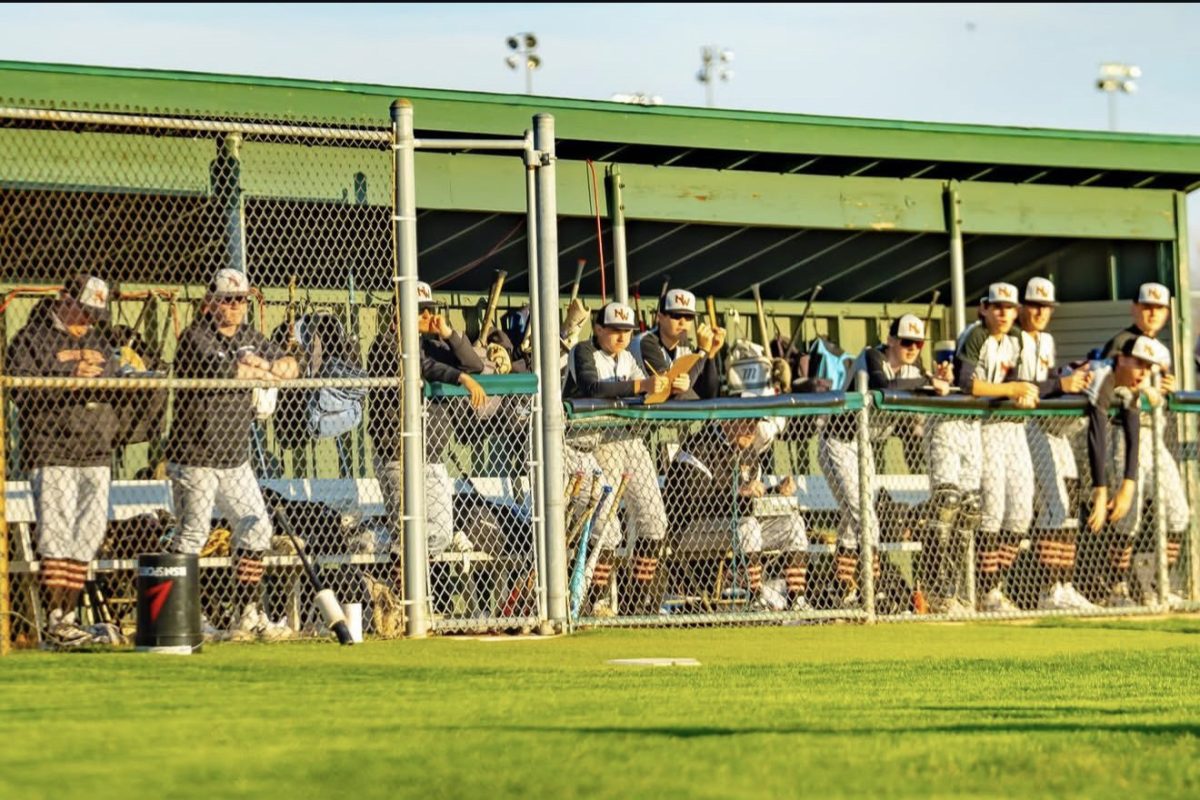


For the class of 2026, the senior season is supposed to be the grand finale – the peak years of practice, early mornings, and team bonding.
But for a significant group of athletes this year, the jerseys are being traded for braces and the field for the trainers’ room.
A wave of season-ending injuries has left many of our top competitors watching from the sidelines, facing a senior year they never expected.
The moment an athlete realizes their season is over is often filled with a sense of loss for the effort already invested.
For Mason Wood, a two-year wrestling captain, that moment came when he injured his ankle for the second time in his senior year.
“I knew it would be over,” he shared. “The first thing I thought about was all the work I put in and how it felt it like it would [all] be for nothing.
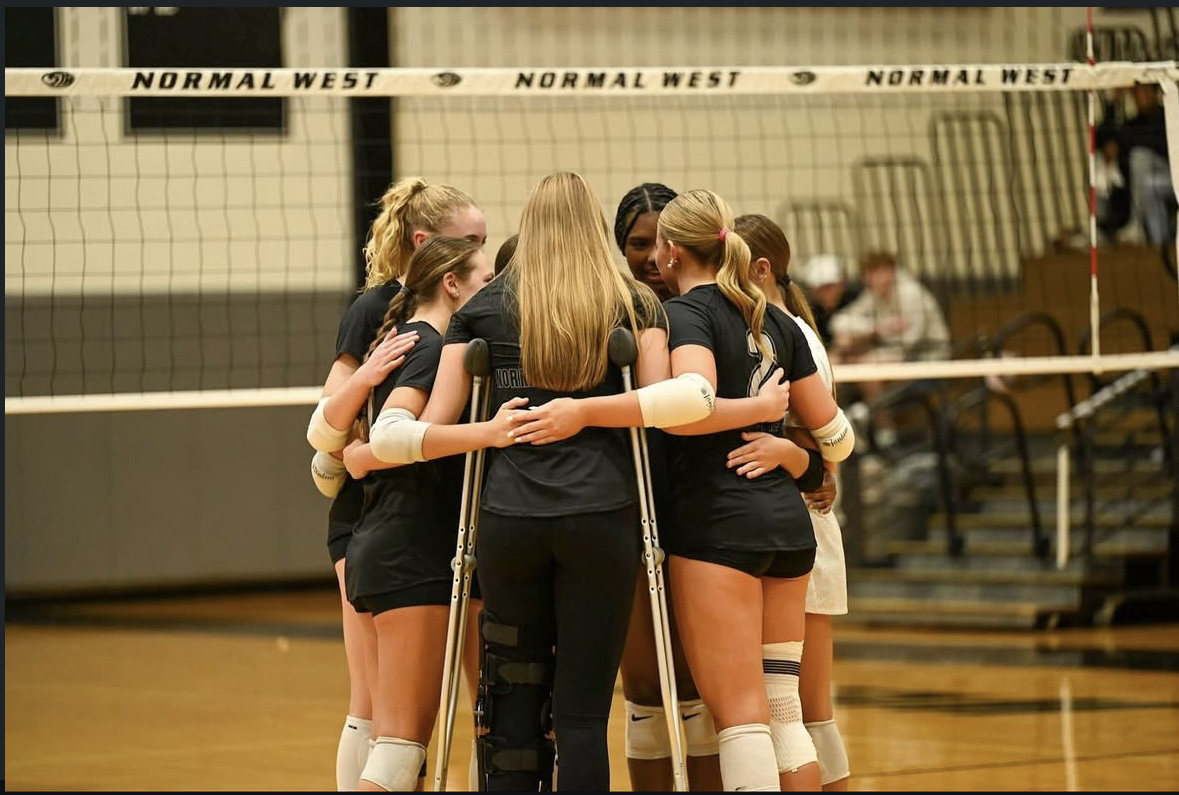
Avery Feltes, a volleyball captain, didn’t realize her season was over until a doctor told her she needed surgery.
“I was really angry and mad because I didn’t get to participate in my senior season, and I was really looking forward to it,” Feltes said.
This sentiment was echoed by Addyson Hammond, a senior captain on the soccer team. The realization that her final season was over brought immediate disappointment.
“When I realized my senior season was over, I was really upset because I knew I wouldn’t be able to play with my team again or accomplish all the things I wanted to,” she shared.
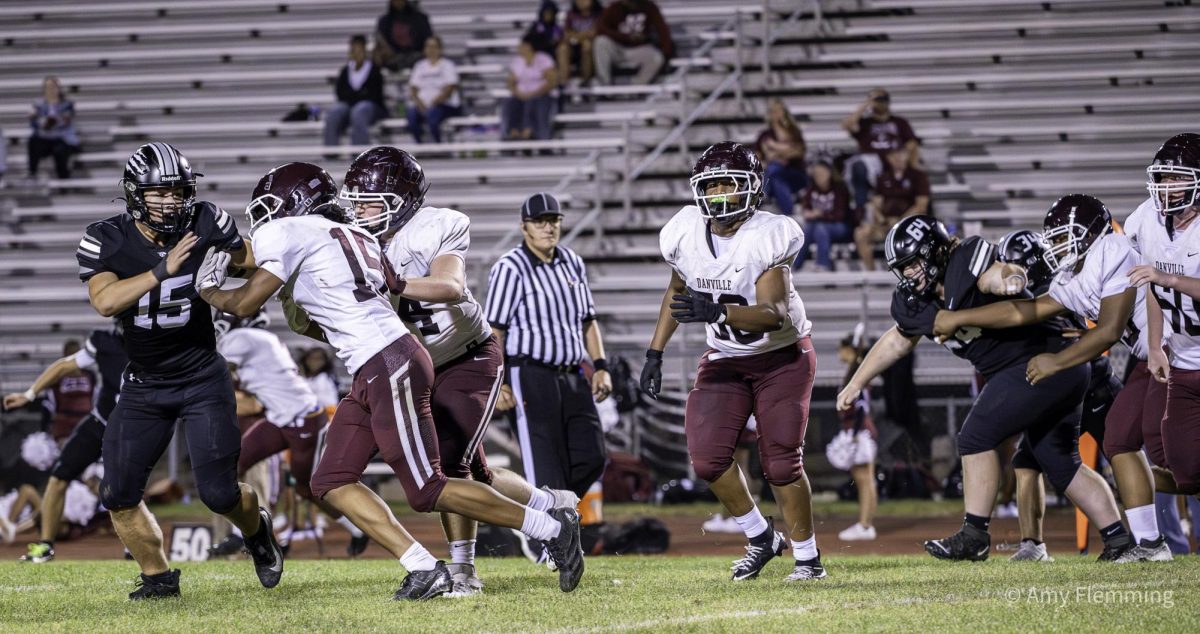
For football player Jrue Mangruem, the realization was immediate; after a game against Bloomington High School, a sharp pain in his spine left him unable to get out of bed for days.
His priority shifted instantly toward his life after high school, leading him to conclude, “I need to prioritize myself and my body for the long future ahead of me, even though I love football.”
Transitioning from a primary competitor to a spectator is a significant mental hurdle.
Feltes described the shift as difficult, moving from physical help to mental and emotional support.
“I became more of a vocal leader rather than a physical leader,” she explained. “My contributions to the team were pointing out areas to put the ball or blocking lineups. It helped me grow as a player and teammate.”
Wood also found ways to remain a leader, noting, “I realized there was still stuff I could do to help my teammates… I helped out by showing them things during practice and cheered them on during tournaments.”
Hammond shifted her focus to being a guide, noting that “off the field I have tried to help guide them and give encouragement throughout the season”.
Despite the physical limitations of her rehab, which includes physical, soft wave, and red light therapy, Hammond finds a silver lining.
“The thing that upsets me the most is that I can’t play with the girls one last time since its senior year, but I’m also just thankful that I am not injured worse and that I can still do day to day activities,” she noted.
Mangruem continued to support his team by “helping the other quarterbacks during practice” and attending every game.
Still, even as their seasons have ended, rehab for these seniors is a grueling daily routine.
Feltes highlighted the mental struggle of slow progress, noting that for the first four months of recovery, she saw no physical improvement.
“I started to give up hope and blame myself for my ‘lack’ in progress,” she shared.
However, she found strength in her “injury buddy,” Cecelia Castro, who was going through the same recovery.
“Going through the injury and recovery with her was really helpful because we were both experiencing the same thing,” Feltes shared.
Wood focused on “a lot of physical therapy for my ankle,” while Hammond’s routine included “physical therapy, soft wave therapy, red light therapy, and just resting.”
For Wood, the biggest mental challenge was “knowing I wouldn’t be able to wrestle in the postseason and accomplish my goals.”
This was mirrored by Mangruem, who spent nearly two months in physical therapy and found the hardest part was “knowing that my time in organized sports was coming to an end.”
While these injuries have closed doors, they have also provided new perspectives.
For Feltes, it changed how she views her contribution to a team, teaching her how to “study the game.”
While Mangruem decided to give up his plans for college football to focus on his long-term health, Wood noted that his injury didn’t change his trajectory because he “wasn’t planning on wrestling after high school.”
One thing is certain, these class of 2026 athletes have gone through something that allows them to send encouragement to other athletes.
“The whole process is tedious and unfair, but you will learn a lot from it, you’ll learn discipline, patience, gratitude, and a bunch more,” Feltes noted.
While most of the athletes will remember this year for championships and senior celebrations, some will remember it differently: through physical therapy appointments, recovery milestones, and learning how to lead from the sidelines.
Their senior seasons may not be remembered for wins or championships, but instead, they’ll remember their perseverance, leadership, and the ability to keep moving forward even after the game stopped.
Their stories prove that the impact of an athlete extends far beyond competition, proving that resilience can leave just as lasting of a legacy as any victory.