
Good Morning, Wildcats!
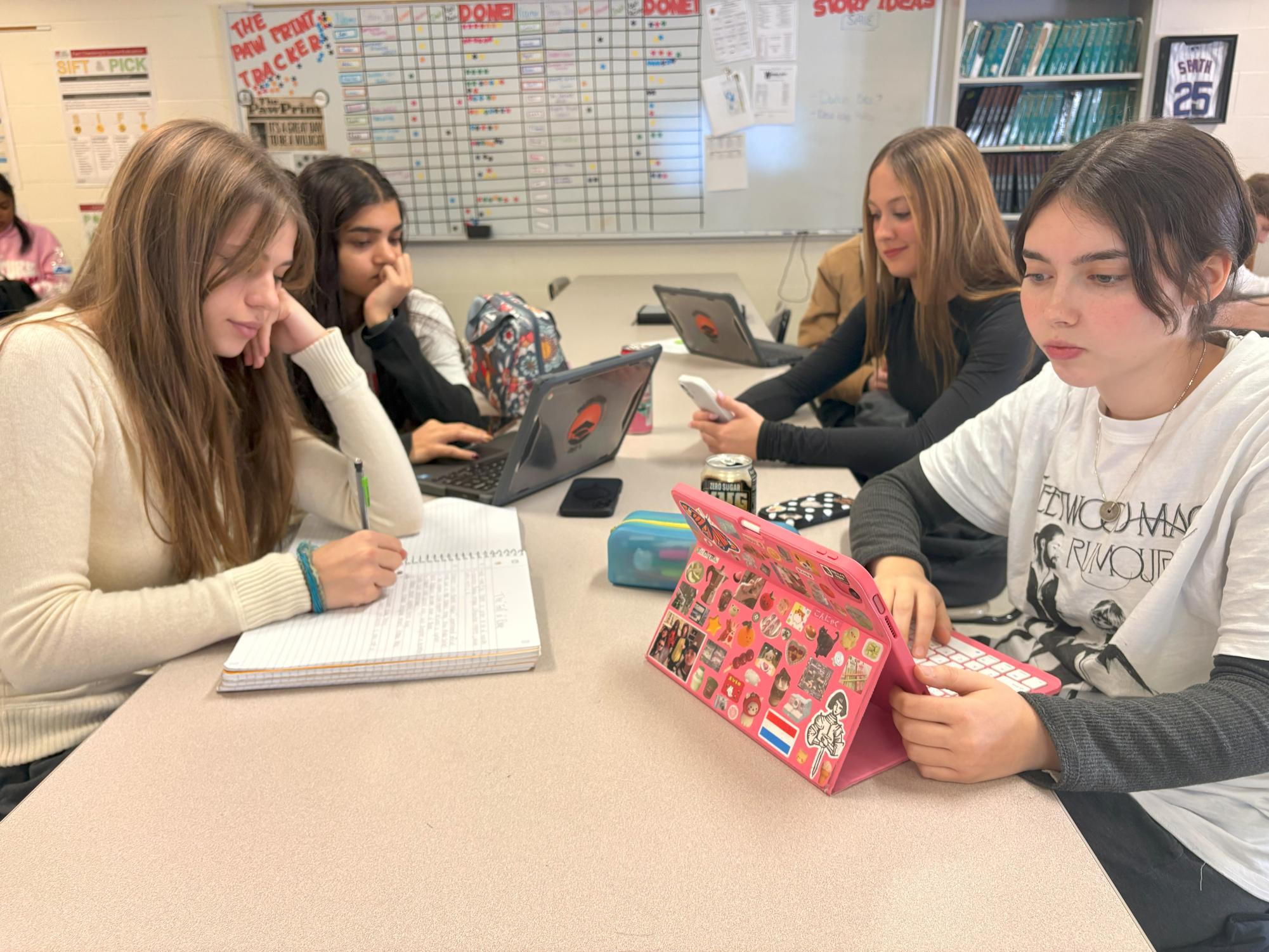
Today’s top story: Paper hand-writing vs computer-writing — a showdown featuring real teachers, real
students, and real opinions that may or may not cause chaos in the hallways.
First, we’ll take the “teacher takes”–from the people who actually grade the work.
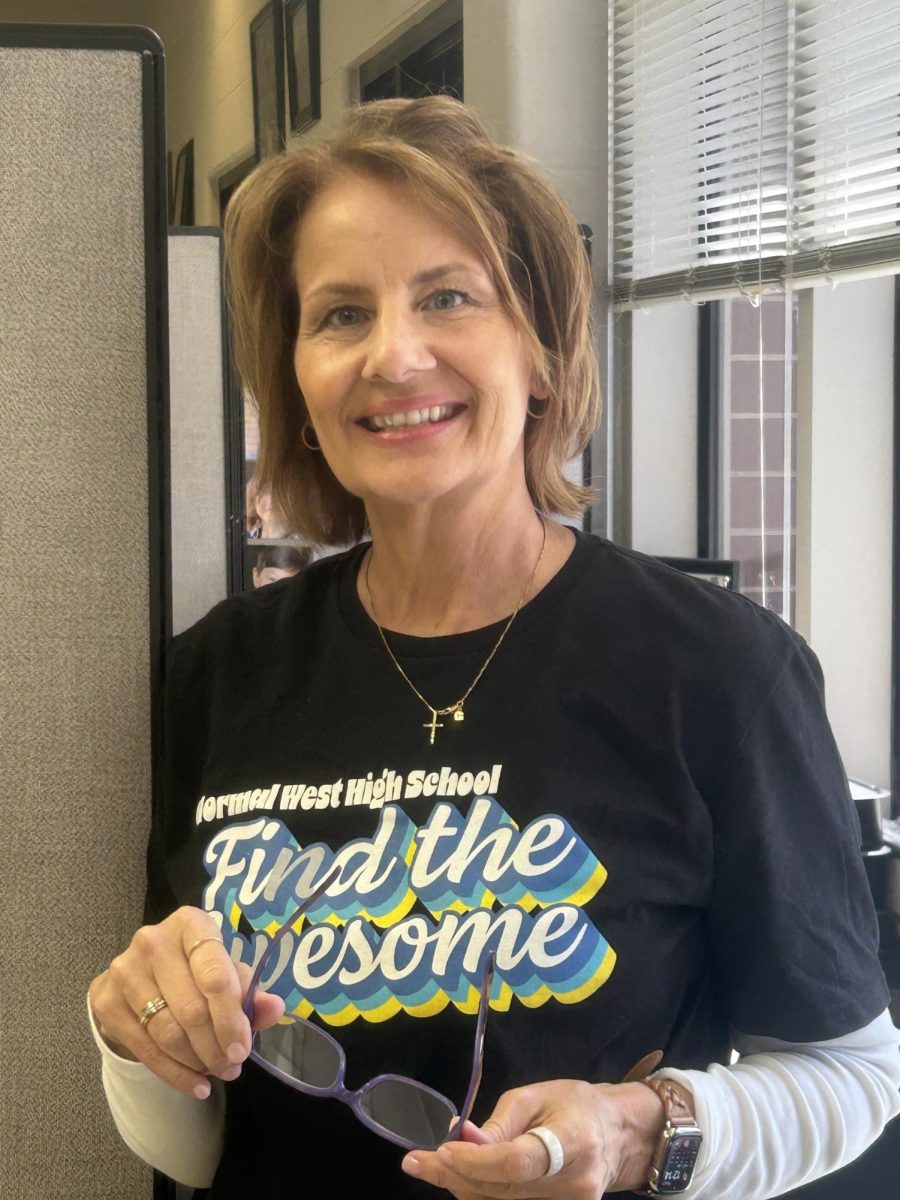
From the front office with Principal, Dr. Angie Codron:
“Good handwriting is kind of going away since everything is getting moved to computers and typing. I love a good handwritten note because it’s more personal. The notes can have a message: like cards or the trust cards we use with staff.
When I interview new staff, I take a quote they said and write them a handwritten note to welcome them. I also send handwritten notes to new administration in the district. I’ve kept two bulletin boards full of handwritten cards, notes, and pictures since I started teaching 25 years ago. Every summer, I take them down, put them in a bin, and save them. It’s always full by the end of the year.
I’m not sure general handwriting skills are good anymore – students need to know their signature. Sometimes they’re confused when asked to sign something. I don’t think cursive needs to be taught fully, but maybe we should focus on writing your name or signature.
There’s value in transferring learning from your brain to paper. You retain information better when writing. For restorative reflections or disciplinary situations, having students write in their own handwriting feels more meaningful than typing something quickly,” Codron noted.
From Math Class: Mr. Cody Hatzer:
“I use papers for sure. Computers make things easier, but people’s handwriting has definitely gotten worse,” Hatzer said.
“AI is okay if you’re using it the right way. It can help you get further along, but you still have to do the work; don’t have it solve your math problem,” He added.
“Handwriting brings out personality. When you’re writing by hand, you take more time to think; typing makes me want to go fast just to check things off a list.
If we want to prepare students for after high school, going all-in on paper would hurt them. In college and jobs, people expect you to type. If you never practice typing, you’re going to be a slow typer, and that’s going to make you worse at your job. A healthy balance of both is what we should be doing,” Hatzer contributed.
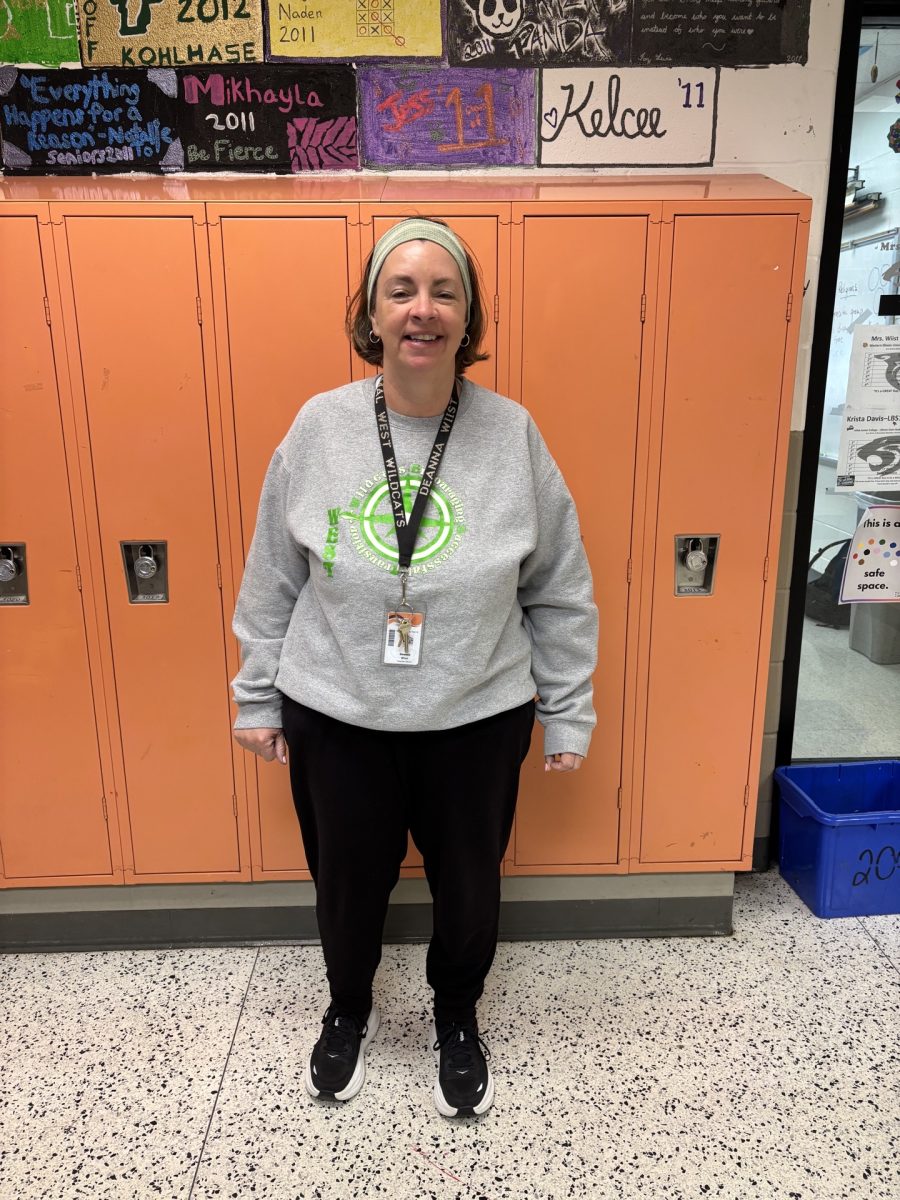
From English Class: Ms. Nicole Sabuco:
“Students often want more hard copy handouts, but we use computers for typing. Kids lack some skills, especially note-taking and retention. It’s proven that handwriting notes helps you retain information,” Sabuco stated.
“Organization is another issue; files are crazy, half of them are labeled ‘untitled,’ and people don’t know where things are,” Sabuco added.
“AI, I don’t love it. Students use it on papers, especially in younger grades, [but] older students realize it’s not that great. People still need to see the dangers. There’s something to be said for being able to think and even fail a little and relearn it, we don’t do that with AI; we just get an answer,” Sabuco reflected on AI use.
“In the end, handwriting reflects personality – we each have our own writing style. Handwritten notes mean something because someone took the time [to write them]. I don’t want to read handwritten essays. I did that early in my career, and it was horrible. There’s a balance,” Sabuco concluded.
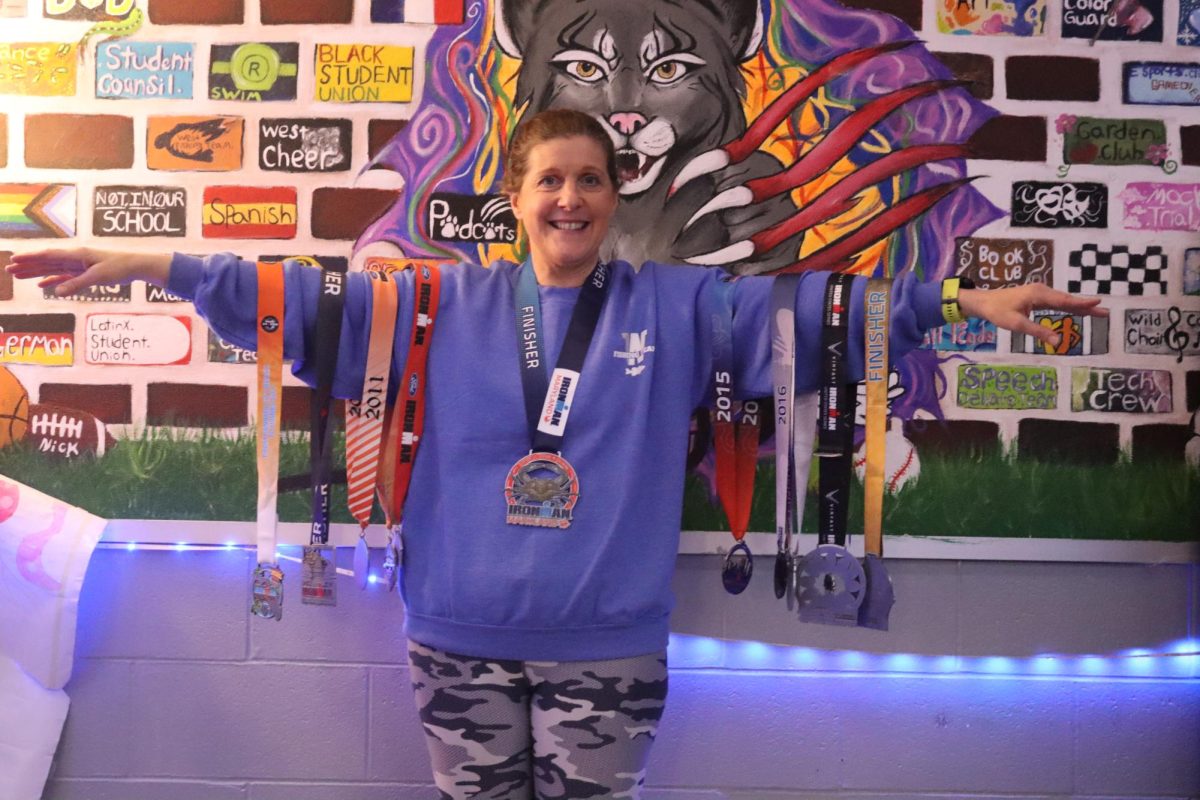
From the Social Studies Department: Dr. John Bierbaum:
“Because of computers, a lot of students struggle with penmanship. Historical writing shows how much effort used to go into readability. It’s not a priority anymore because kids type and have autocorrect, so they don’t emphasize grammar and spelling,” Bierbaum observed.
“AI has incredible potential. We shouldn’t be scared of it. We need to use it as a tool to enrich things and save time, not to substitute thinking and writing,” Bierbaum added.
“In general, writing can bring out someone’s voice. But AP tests, college essays, SAT, ACT, are all typed now. Students are getting mixed messages – handwriting matters, but the world is shifting [to] electronic.
I like handwriting in class because it helps conversations without devices, and when students handwrite, they’re less likely to use AI. It’s complicated. There are a lot of trade-offs. This whole issue is multifaceted – younger grades worry about teaching manuscript versus cursive versus computers, while high school worries about AI,” Bierbaum stated.
From the students:
“People might start lacking skills because of computers. There’s a lot of AI. When you write, even if you use AI, you have to know what you’re writing instead of just copy and paste. Handwriting brings out your own style. I use AI sometimes,as it can be helpful when used the right way,” Senior Devon Dodds states.
Senior Marin McClintock also expresses her thoughts.
“In school I use papers more, but at home I use the computer… Typing is faster and more efficient. When I handwrite for a long time, I get a blister on my thumb,” McClintock said.
“A lot of people already have really bad handwriting. I feel bad for my AP Gov[ernment] teacher because some assignments are completely illegible. Typing is better because you can edit, revise, backspace, delete, move things around. You don’t have to make room for your new writing.”
Senior Mia Bandeko also added to the debate.
“People do lack some skills because handwriting is always going to be important. Taking handwritten notes is important; you won’t always have a laptop or phone. Handwriting helps you personalize your notes. For essays or assignments, computers are fine. For notes, handwritten is better because it helps you memorize. I never use AI except maybe as an answer key when practicing,” she discussed.
The students and staff of Normal West seem to come to the agreement that balance is key.
Handwriting gives personality, helps memory, and feels meaningful; while computers are efficient, necessary for the future and help get work done fast.
So, Wildcats, here’s the thing: use paper when it matters; use computers when they help; write legibly, and don’t forget to label your Google files with something other than “Untitled.”